
Should You Buy First or Sell First in Mississauga’s 2026 Real Estate Market?
Thursday May 14th, 2026
Should You Buy First or Sell First in Mississauga’s 2026 Real Estate Market?
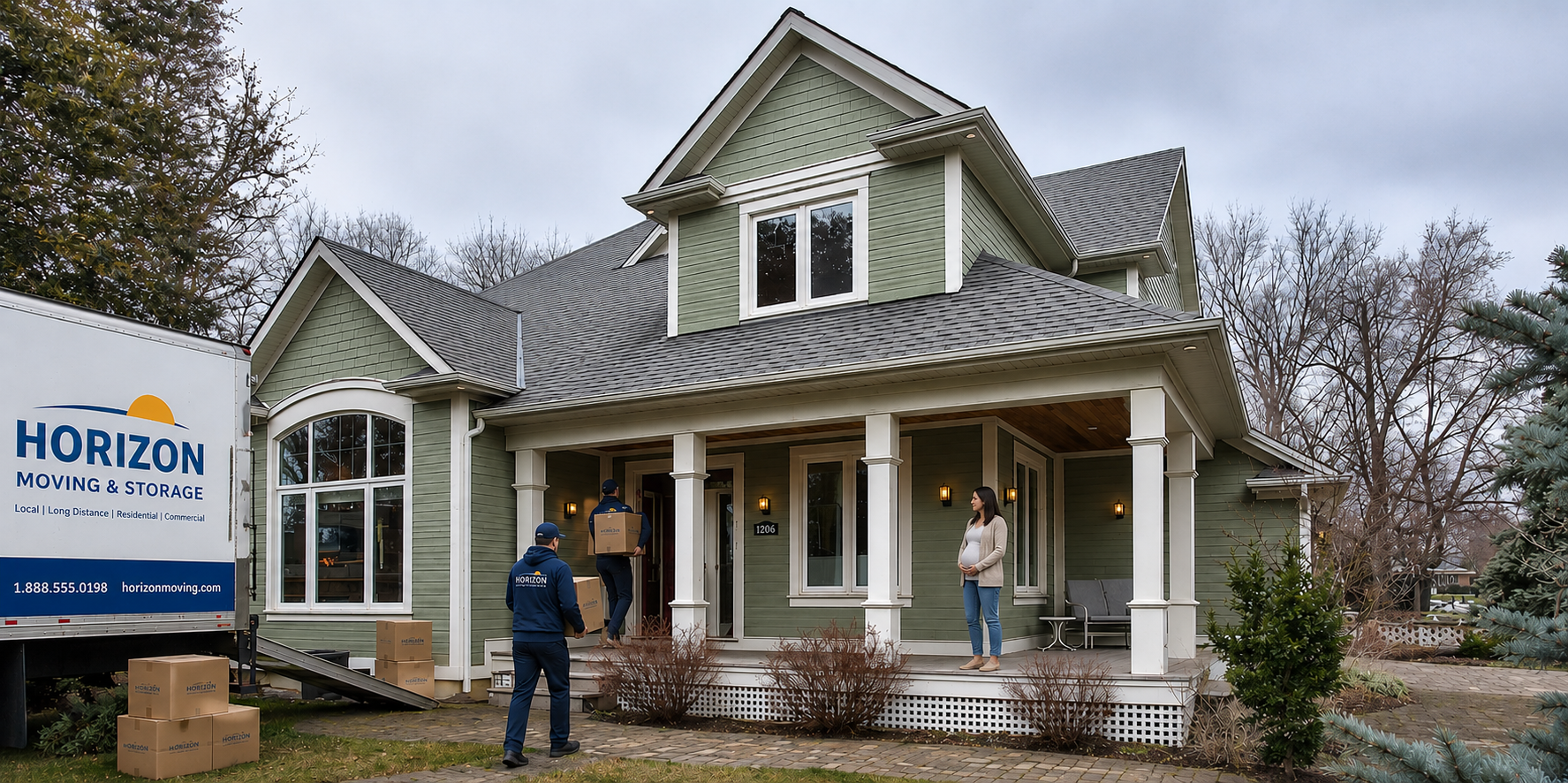
For many families in Mississauga, the decision to move is rarely just about the house.
It is about getting into the right school area, finding more space, improving the commute, being closer to parks and sports, or finally making the move into a neighbourhood that better fits the next stage of family life.
But in today’s market, one of the biggest questions is this:
Should you buy your next home first, or should you sell your current home first?
The answer depends on your finances, your comfort level, the type of home you own, the type of home you want to buy, and the specific neighbourhoods involved. In 2026, this question is especially important because the market is not moving evenly across every price range or every area.
According to the Toronto Regional Real Estate Board, April 2026 GTA home sales were up 7% compared with April 2025, while new listings were down 9.3% year-over-year. TRREB also noted that sales rose faster than listings on a seasonally adjusted month-over-month basis, which may point to more competition in certain neighbourhoods.
That does not mean every home is selling quickly or every buyer is rushing back in. It means the market is becoming more selective.
In other words, strategy matters.
The 2026 Mississauga Market Is More Balanced — But Not Simple
Mississauga buyers have more information, more financing pressure and more caution than they did during the overheated pandemic years. Mortgage rates, affordability and economic uncertainty continue to influence decisions across Canada. CMHC has noted that variable mortgage rates declined over the past two years and were expected to remain relatively stable in early 2026, while fixed mortgage rates may face upward pressure from long-term bond yields.
For families, that creates a practical challenge.
You may see a home you love in Lorne Park, Port Credit, Clarkson, Mineola or another South Mississauga neighbourhood, but you may also be wondering:
Will my current home sell quickly?
Can I afford to carry both properties?
Will I lose the home I want if I wait?
Will I be forced to accept less if I sell under pressure?
These are the questions that should shape your strategy before you make a move.
Option 1: Buying First
Buying first can make sense when the right home is difficult to find.
This is especially true for families looking in specific school districts, mature neighbourhoods, or streets where homes do not come up often. In areas such as Lorne Park, Mineola, Port Credit and Clarkson, the best homes are not always easy to replace. Established neighbourhoods remain attractive because of their school zones, mature streetscapes and lifestyle amenities.
The Advantages of Buying First
The biggest benefit is control.
You are not rushed into choosing a home simply because your own property has sold. You can wait for the right layout, street, lot, school catchment, renovation level or lifestyle fit.
This is particularly important for family-focused moves. A home might look good online, but the real question is whether it supports the way your family actually lives. Is there room for growing kids? Is the yard usable? Are parks, trails, arenas, schools or clubs nearby? Is the street quiet enough? Is the commute manageable?
Buying first gives you the ability to be selective.
The Risks of Buying First
The risk is that you may not know exactly what your current home will sell for.
If your existing property takes longer to sell than expected, or sells for less than hoped, you may feel pressure. You may also need bridge financing or a firm plan for carrying costs.
This is why buying first should never be an emotional leap. It should be backed by a very clear estimate of your home’s current market value, a realistic selling timeline, and a pricing strategy that reflects today’s buyer behaviour.
In a market where buyers are more discerning, overpricing can be costly.
Option 2: Selling First
Selling first gives you certainty.
You know how much money you have to work with. You know your closing date. You know your budget. You can shop for the next home with confidence.
For many families, this lowers stress.
The Advantages of Selling First
The biggest advantage is financial clarity.
Once your current home is sold, your numbers are real rather than estimated. This can make mortgage approval easier and reduce the risk of carrying two homes.
Selling first may also make your offer stronger when you buy. A seller may look more favourably at a buyer who has already sold and has a firm closing date.
The Risks of Selling First
The risk is timing.
If you sell your home and cannot find the right next property, you may feel rushed. You may need temporary housing, storage, or a longer closing period. You may also end up compromising on the next home simply because you need somewhere to go.
This is especially important in neighbourhoods where supply is limited or where your wish list is specific.
For example, if you are looking for a renovated family home on a quiet street in Lorne Park, or a walkable home near Port Credit amenities, there may not be many ideal options at any given moment.
So Which Strategy Is Better?
The best answer depends on your situation.
For some homeowners, selling first is the safer and more practical choice.
For others, especially those looking for a very specific family home or neighbourhood, buying first can make sense — but only with the right preparation.
The key is not to choose one strategy blindly. The key is to understand your position before entering the market.
A Smarter Approach: Plan Both Sides Before You Act
Before deciding whether to buy first or sell first, you should have answers to four important questions.
1. How saleable is your current home?
Not all homes perform the same.
A well-presented, properly priced home in a desirable Mississauga neighbourhood may attract strong interest. A home that needs work, is overpriced, or lacks strong presentation may sit longer.
Today’s buyers are more cautious and selective. They compare everything. They study recent sales. They notice condition. They care about value.
Before buying first, you need an honest assessment of how your home would compete if it were listed today.
Get a Free Home Evaluation now.
2. How hard will it be to find your next home?
If your next move is flexible, selling first may be easier.
But if your search is narrow, buying first may be worth considering. This is often the case when families are targeting specific school areas, lot sizes, home styles or lifestyle features.
A move from a smaller home into Lorne Park, Mineola, Clarkson or Port Credit is not just a financial move. It is often a lifestyle move.
3. Can you handle bridge financing or temporary overlap?
Buying first may require bridge financing if your purchase closes before your sale. That can work well, but it needs to be planned early with your lender or mortgage broker.
You need to know your numbers before making an offer.
4. What is your tolerance for stress?
Some people are comfortable with uncertainty. Others are not.
There is no universal answer. A good real estate strategy should fit your finances, your family, and your personality.
What This Means for Mississauga Families in 2026
The 2026 market rewards preparation.
Homes are still selling, but buyers are not acting blindly. Good properties in strong neighbourhoods can still perform well, especially when priced and marketed correctly. At the same time, sellers who expect yesterday’s pricing in today’s market may be disappointed.
For families moving in South Mississauga, the smartest strategy is usually not just “buy first” or “sell first.”
It is this:
Know your current home’s realistic value. Understand the availability of the homes you want. Prepare your financing. Then choose the timing strategy that gives your family the best combination of confidence, flexibility and negotiating power.
Why Local Advice Matters
Real estate decisions are hyper-local.
A general GTA headline does not tell you what is happening on your street. It does not tell you whether buyers are competing for homes like yours. It does not tell you whether the home you want is rare or easily replaceable.
That is especially true in neighbourhoods like Lorne Park, Port Credit, Clarkson, Mineola and other established South Mississauga communities.
The right move-up strategy depends on the details.
School areas, lot size, renovation quality, walkability, commute, curb appeal, staging, pricing and timing all matter.
Final Thoughts
If you are thinking about moving in 2026, the best time to plan is before you are under pressure.
A smart move begins with clarity:
What is your home worth today?
What would your next home realistically cost?
How competitive is your target neighbourhood?
Should you buy first, sell first, or prepare both options before making a decision?
For families, the right home is not just about bedrooms and bathrooms. It is about the full neighbourhood package — schools, parks, amenities, lifestyle, community and long-term fit.
That is where a thoughtful, local strategy can make all the difference.


Post a comment